
Pecan Upside Down Cake with Gooey Brown Sugar Caramel
Rich, buttery, and dramatic — a show-stopping dessert anyone can master at home.
The Story
Why This Cake Is Truly Special
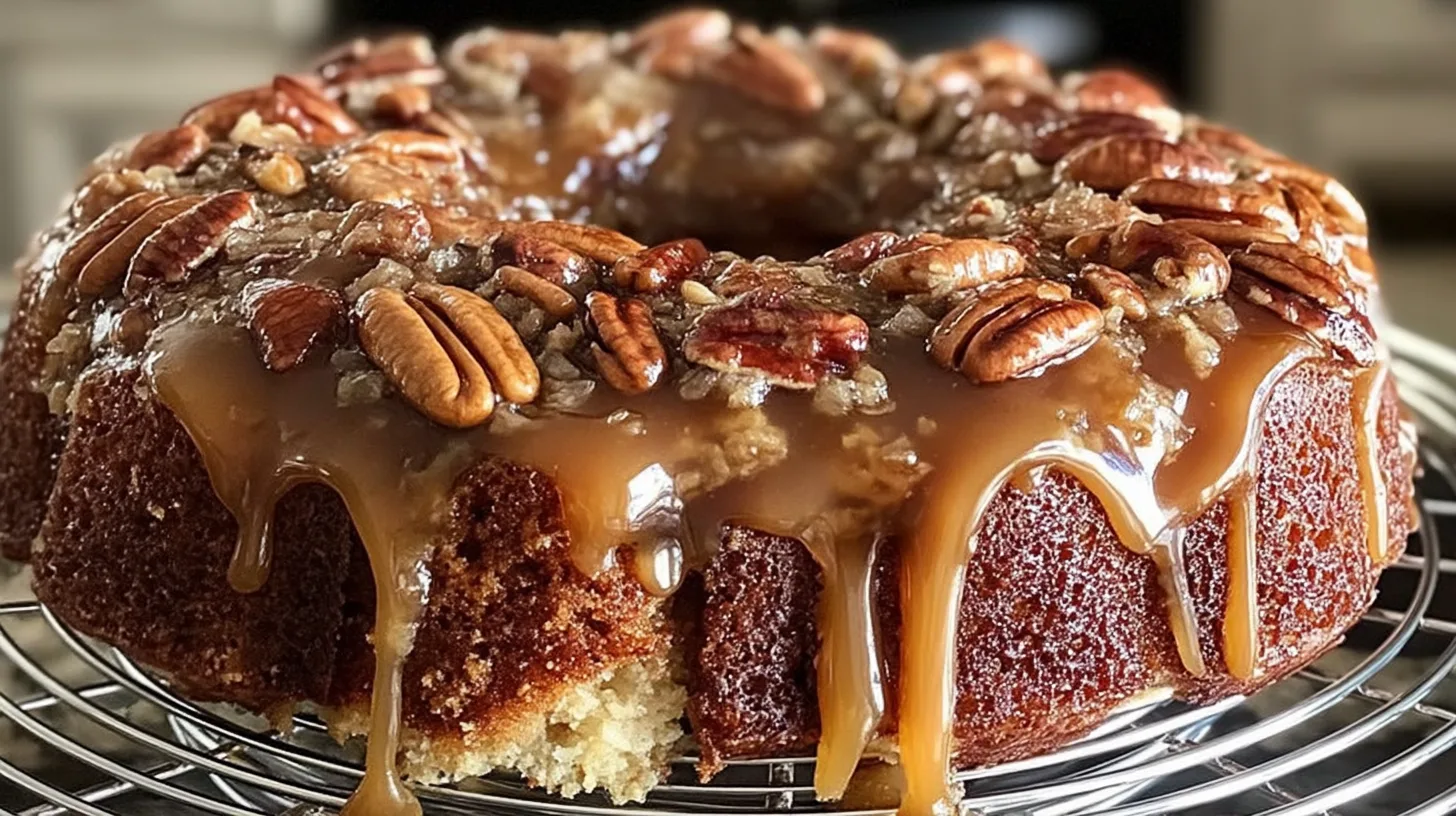
There’s something undeniably magical about a perfectly baked Pecan Upside Down Cake. The moment you flip it over and reveal that glossy, bubbling caramel cascading over toasted pecans — that’s pure kitchen theater. Rich. Buttery. Indulgent in all the right ways.
While pineapple upside-down cakes get most of the spotlight, pecans paired with brown sugar caramel elevate this dessert to an entirely different level. The deep, molasses-rich sweetness blends seamlessly with toasted pecans, creating a gooey, buttery topping that seeps gently into the tender crumb beneath.
Whether you’re baking for a holiday gathering, a dinner party, or a quiet weekend treat — this recipe will quickly become your go-to indulgence.
What You’ll Need
Essential Ingredients
One thing separates a good cake from an unforgettable one: ingredient quality. Every component below plays a precise role in creating that tender crumb, glossy caramel, and rich nutty topping.
🍯 Caramel Base
- ½ cup unsalted butter
- 1 cup dark brown sugar
- Pinch of salt
🌰 Topping
- 1½ cups raw pecan halves (toasted)
🧈 Cake Batter
- ½ cup unsalted butter, softened
- ¾ cup granulated sugar
- 2 large eggs, room temperature
- 1 tsp pure vanilla extract
- ½ cup whole milk
🌾 Dry Ingredients
- 1½ cups all-purpose flour
- 1½ tsp baking powder
- ¼ tsp salt
Choosing Your Pecans & Sugar
Fresh pecans should smell lightly sweet and buttery — not sharp or sour. Buy raw and toast them yourself at 350°F (175°C) for 6–8 minutes. Toasting deepens their natural oils and adds that irresistible crunch that contrasts beautifully with the caramel.
For sugar, dark brown sugar is your best friend. It contains more molasses than light brown, resulting in a deeper caramel flavor and richer amber color — that slight smoky undertone is what makes this dessert unforgettable.
The Role of Butter, Eggs & Flour
Butter isn’t just for flavor — it’s structural. In the caramel, it creates the sticky base. In the batter, creaming it with sugar traps air for lift. Always use unsalted butter to control saltiness. Eggs bind and add moisture; room-temperature eggs incorporate smoothly, preventing curdling. Flour provides structure — stir just until combined to avoid developing gluten and a tough crumb.
The Method
Step-by-Step Guide to Bakery-Style Results
Precision is everything here. Follow each step carefully and you’ll flip out a glossy, show-stopping masterpiece every time.
Prep Your Pan
Preheat oven to 350°F (175°C). Lightly grease a 9-inch round cake pan and line the bottom with parchment paper. This single step guarantees a flawless release when flipping.
Make the Caramel Base
In a saucepan over medium heat, melt ½ cup unsalted butter. Stir in 1 cup dark brown sugar and a pinch of salt. Let it bubble gently for 2–3 minutes until glossy and slightly thickened but still pourable. Remove from heat and pour immediately into your pan, spreading evenly.
Arrange the Pecans
Arrange toasted pecans over the caramel in a spiral pattern or scatter generously for a rustic look. Press them lightly to adhere. This will become the crown of your cake — take your time here.
Make the Batter
Cream ½ cup softened butter with ¾ cup granulated sugar until pale and fluffy — at least 3–4 minutes. Add eggs one at a time, beating well. Stir in vanilla. In a separate bowl, whisk together flour, baking powder, and salt. Alternate adding dry ingredients and milk to the butter mixture, beginning and ending with dry. Mix until just combined.
Layer & Bake
Carefully spoon batter over the pecan caramel layer. Spread evenly without disturbing the pecans underneath. Bake for 40–45 minutes, or until a toothpick inserted in the center comes out clean and the edges are golden brown.
The Flip
Cool for exactly 10–15 minutes — no more, no less. Run a thin knife around the edges. Place a serving plate firmly over the pan, hold both tightly, and flip confidently in one swift motion. Lift the pan slowly. Reveal your masterpiece.
Expert Advice
Pro Tips & Common Mistakes to Avoid
Even experienced bakers can stumble here. The difference between a flawless bakery-style result and a sticky disaster often comes down to small, overlooked details.
Prevent Soggy Bottoms
Simmer the caramel only until slightly thickened. A too-watery caramel seeps into the batter and creates a heavy base. Measure precisely — baking is chemistry.
Avoid Crystallization
Stir gently while melting butter and sugar. Never scrape hardened sugar from the pan sides back in. Use fresh brown sugar — dried-out sugar won’t melt evenly.
Nail the Timing
The flip window is 10–15 minutes after baking. Too soon and the cake collapses. Too late and the caramel hardens and sticks. Set a timer.
Use the Right Pan
A light-colored metal cake pan is best. Dark nonstick pans can cause over-browning at the edges before the center finishes. And never skip the parchment paper.
Enjoy & Customize
Serving, Storing & Creative Variations
How to Serve for Maximum Flavor
This cake is at its absolute best slightly warm — the caramel remains soft and gooey, gently cascading down each slice. For an elevated presentation, add a scoop of vanilla bean ice cream, a drizzle of warm heavy cream, or a sprinkle of flaky sea salt. Pair with coffee, espresso, or a bourbon cocktail for a dinner party finale.
Flavor Twists & Substitutions
Make this recipe your own: add a teaspoon of cinnamon to the batter for warmth, stir a splash of bourbon into the caramel for depth, swap half the pecans for walnuts for texture contrast, or add orange zest for a subtle citrus lift. Thin apple or pear slices also layer beautifully beneath the pecans.
Make-Ahead & Storage
Bake up to one day in advance and store covered at room temperature. Warm gently before serving to restore that gooey caramel shine. Refrigerate leftovers for up to 5 days, or freeze individual slices (wrapped in plastic + foil) for up to 2 months. Always let slices come to room temperature before reheating.
Got Questions?
Frequently Asked Questions
Keep Exploring